Friday, January 1, 2021

model‐based systems engineering (MBSE): Is it worthwhile?


The value of MBSE may not be in saving time or money, but in the probability that the end product will actually meet the needs of the end user and ensuring verifiable, testable, and non-conflicting requirements are traced through the development process.

Value and benefits of model‐based systems engineering (MBSE): Evidence from the literature - Henderson - - Systems Engineering - Wiley Online Library

onlinelibrary.wiley.com

Value and benefits of model‐based systems engineering (MBSE): Evidence from the literature

Kaitlin Henderson

REVIEW PAPER

First published: 31 December 2020

Abstract

Traditional document‐based practices in systems engineering are being transitioned to model‐based ones. Adoption of model‐based systems engineering (MBSE) continues to grow in industry and government, and MBSE continues to be a major research theme in the systems engineering community. In fact, MBSE remains a central element in the International Council on Systems Engineering (INCOSE)’s vision for 2025. 

Examining systems engineering literature, this paper presents an assessment of the extent to which benefits and value of MBSE are supported by empirical evidence. A systematic review of research and practice papers in major systems engineering archival journals and conference proceedings was conducted. Evidence was categorized in four types, two of which inductively emerged from the results: measured, observed (without a formal measurement process), perceived (claimed without evidence), and backed by other references. 

Results indicate that two thirds of claimed MBSE benefits are only supported by perceived evidence, while only two papers reported measured evidence. The aggregate assessment presented in this paper indicates that claims about the value and benefits of MBSE are mainly based on expectation. We argue that evidence supporting the value and benefits of MBSE remains inconclusive.


The full text of this article hosted at iucr.org is unavailable due to technical difficulties.


docs.lib.purdue.edu

Industrial Adoption of Model-Based Systems Engineering: Challenges and Strategies

Apoorv Maheshwari

Abstract

As design teams are becoming more globally integrated, one of the biggest challenges is to efficiently communicate across the team. The increasing complexity and multi-disciplinary nature of the products are also making it difficult to keep track of all the information generated during the design process by these global team members. System engineers have identified Model-based Systems Engineering (MBSE) as a possible solution where the emphasis is placed on the application of visual modeling methods and best practices to systems engineering (SE) activities right from the beginning of the conceptual design phases through to the end of the product lifecycle. 

Despite several advantages, there are multiple challenges restricting the adoption of MBSE by industry. We mainly consider the following two challenges: 

a) Industry perceives MBSE just as a diagramming tool and does not see too much value in MBSE; 

b) Industrial adopters are skeptical if the products developed using MBSE approach will be accepted by the regulatory bodies. 

To provide counter evidence to the former challenge, we developed a generic framework for translation from an MBSE tool (Systems Modeling Language, SysML) to an analysis tool (Agent-Based Modeling, ABM). The translation is demonstrated using a simplified air traffic management problem and provides an example of a potential quite significant value: the ability to use MBSE representations directly in an analysis setting. 

For the latter challenge, we are developing a reference model that uses SysML to represent a generic infusion pump and SE process for planning, developing, and obtaining regulatory approval of a medical device. This reference model demonstrates how regulatory requirements can be captured effectively through model-based representations. We will present another case study at the end where we will apply the knowledge gained from both case studies to a UAV design problem.

Degree

M.S.A.A.

Advisors

DeLaurentis, Purdue University.

Subject Area

Aerospace engineering|Industrial engineering|Systems science

COinS

Application of Model-Based Systems Engineering Concepts to Support Mission Engineering

Department of Systems Engineering, Naval Postgraduate School, Monterey, CA 93943, USA
*
Author to whom correspondence should be addressed.
Systems 2019, 7(3), 44; https://doi.org/10.3390/systems7030044
Received: 1 July 2019 / Revised: 15 August 2019 / Accepted: 29 August 2019 / Published: 4 September 2019
(This article belongs to the Special Issue Mission Engineering)
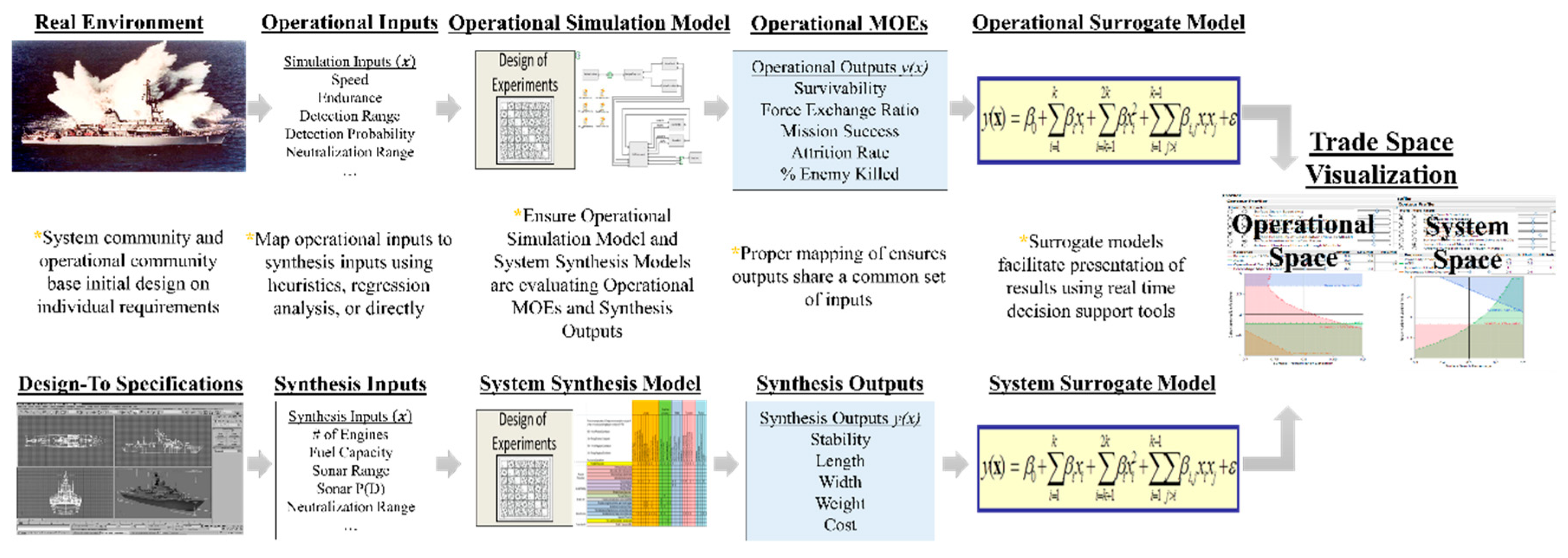
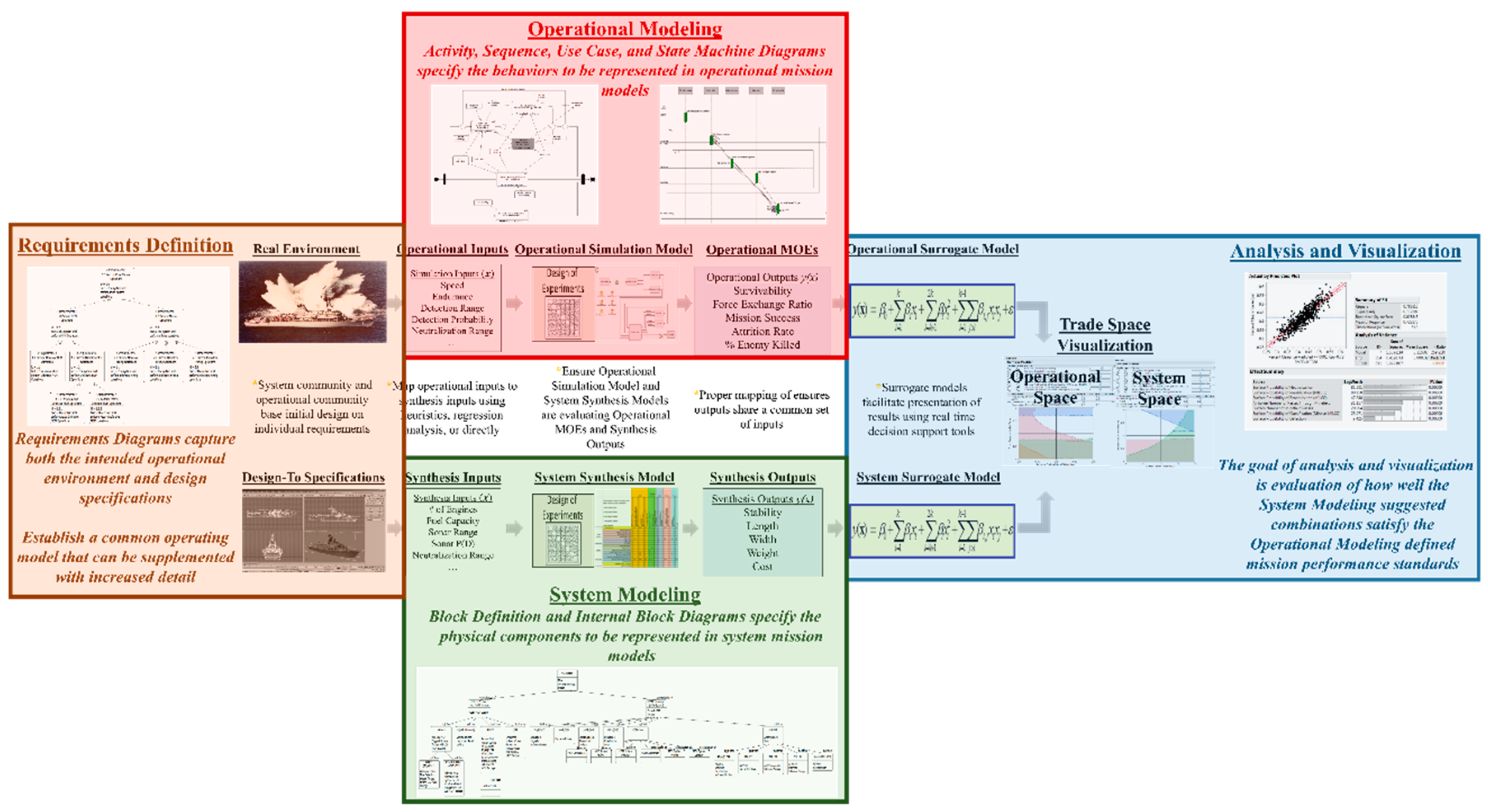
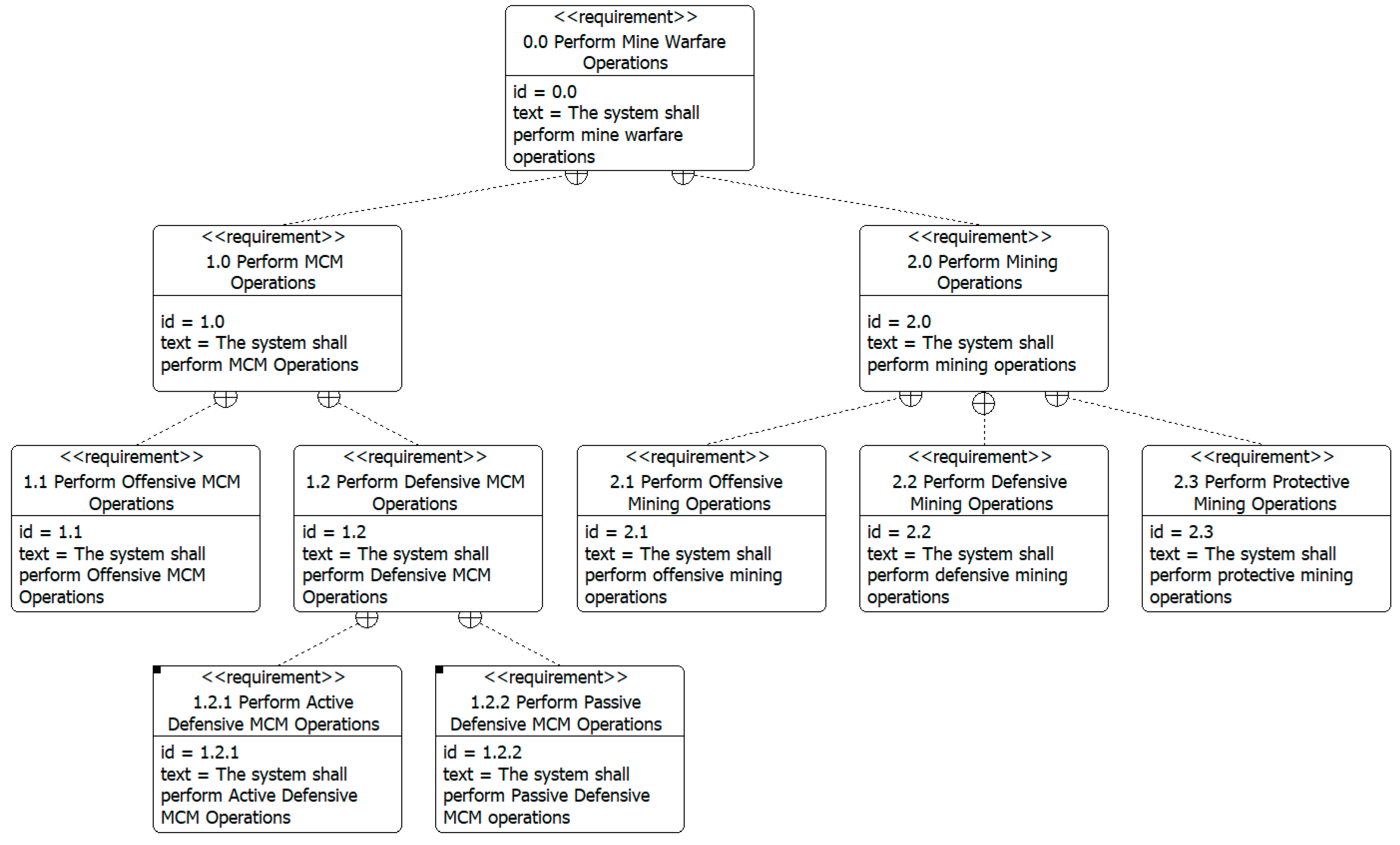
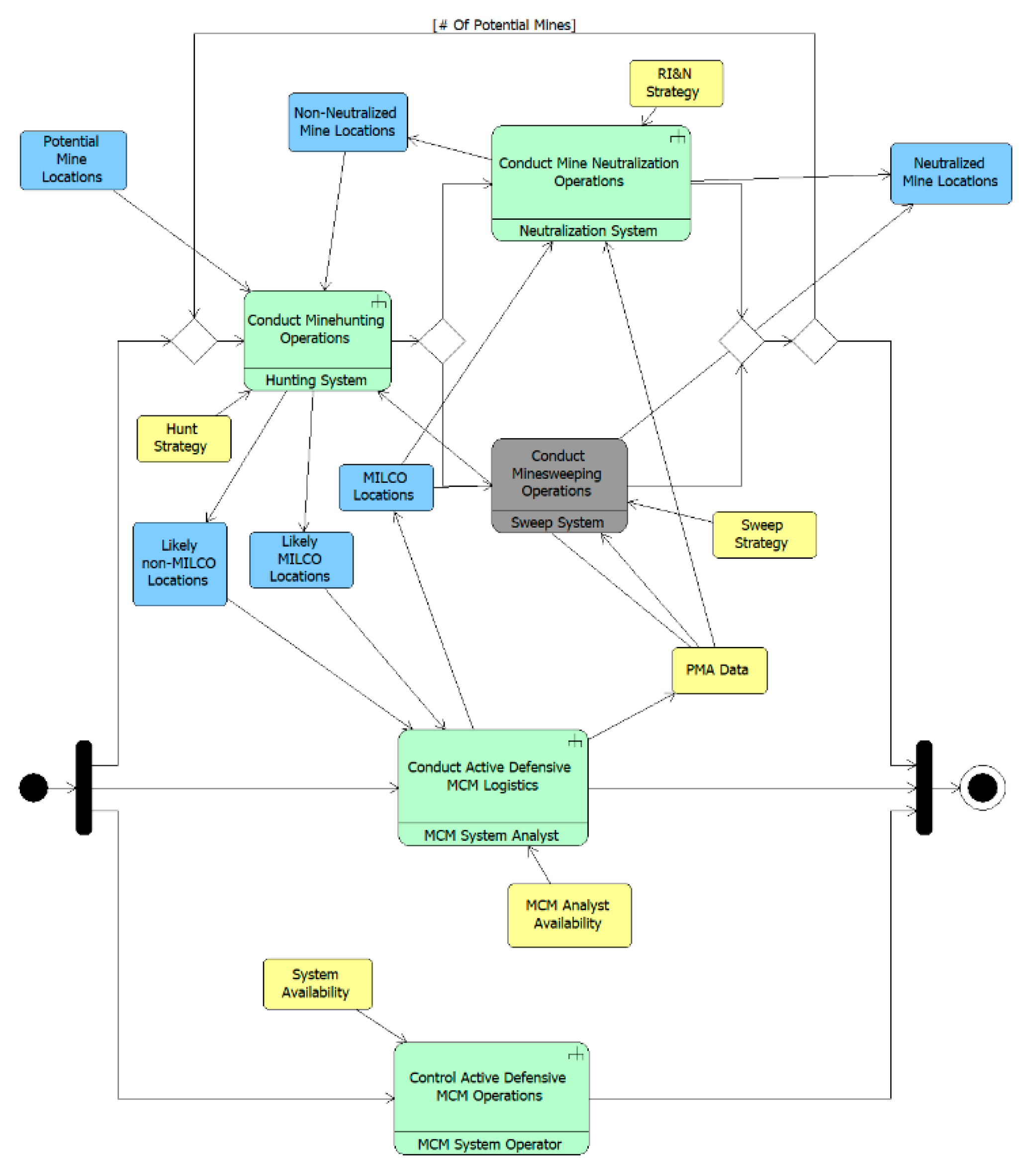
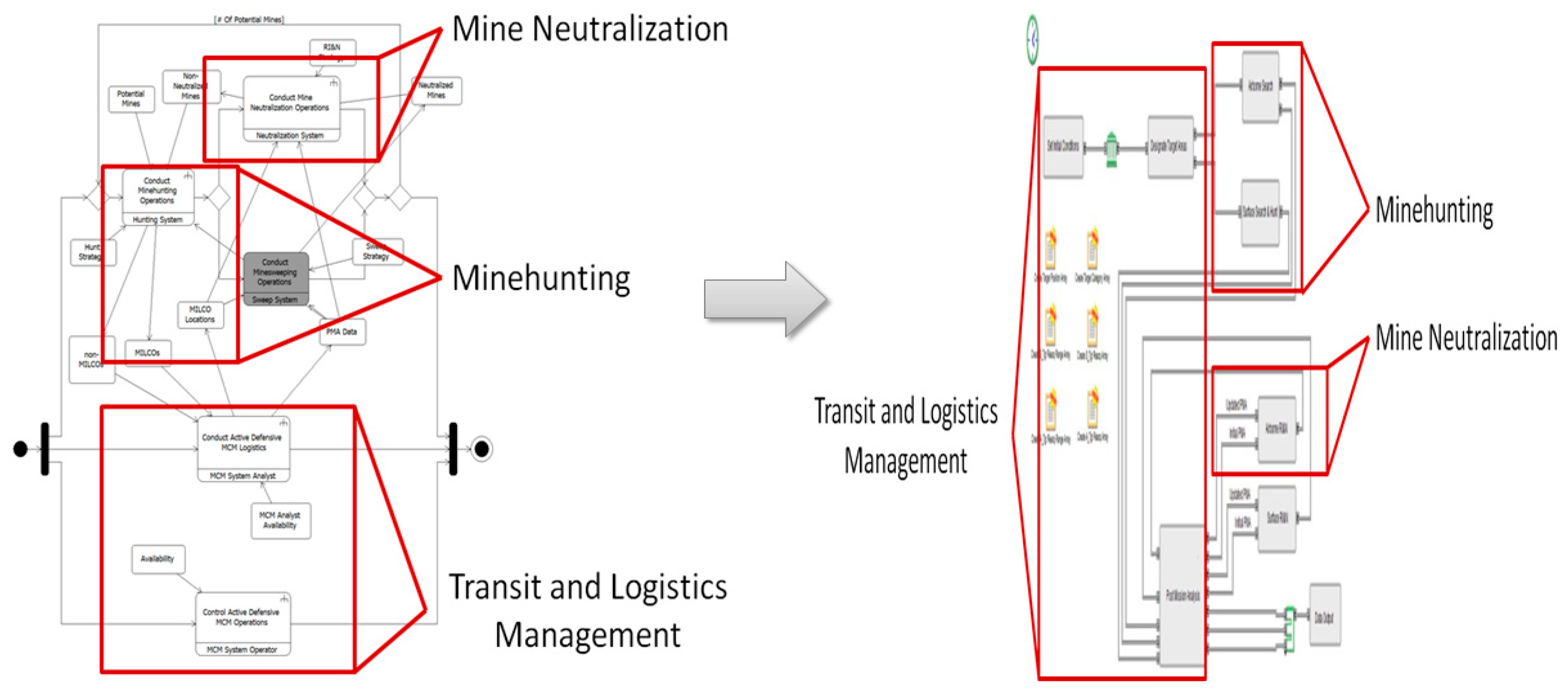
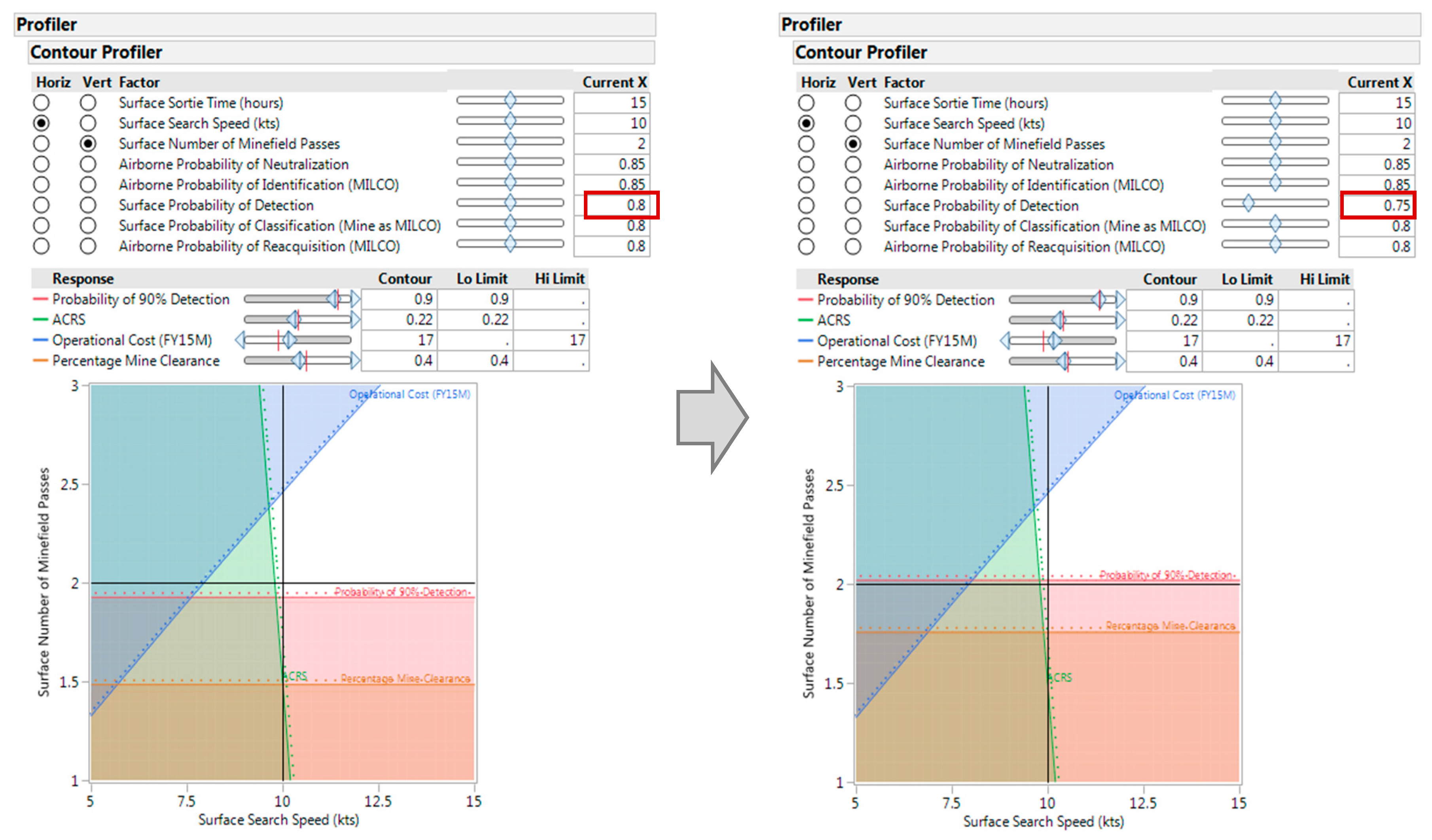
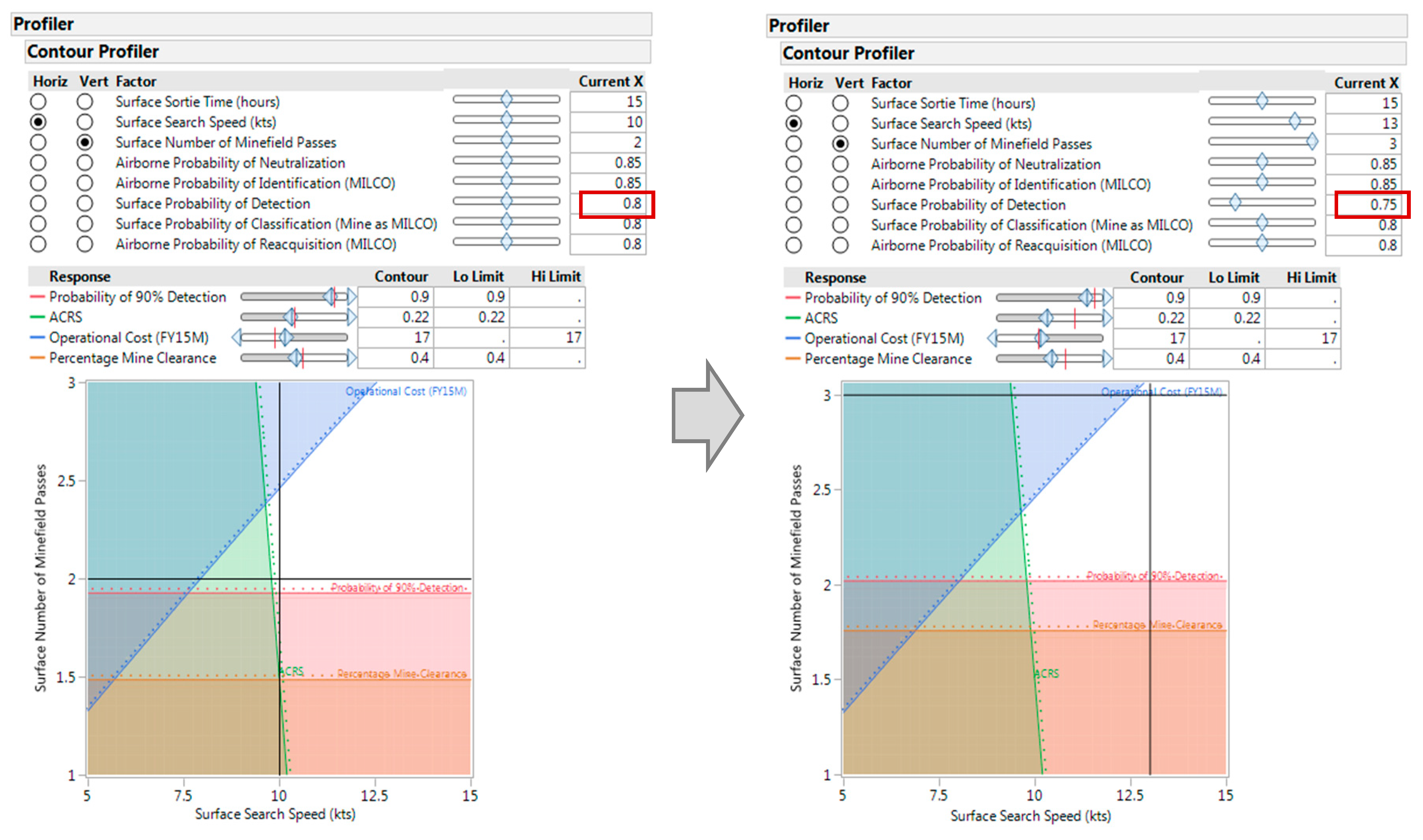
This paper presents an approach to the utilization of model-based systems engineering (MBSE) early in the system lifecycle, which focuses on early identification of desirable system characteristics to support mission engineering (ME). The paper relies on the definition of an analysis approach and the associated mapping of architectural products. The analysis strategy focuses on integration of the results of operational simulations and system synthesis models through tradespace visualization. The architectural mapping presents the association of Systems Modeling Language (SysML) products to the analysis strategy. The coordination of these elements is presented as a demonstration of the role that MBSE concepts can play in support of ME. The approach is demonstrated through a case study analysis of a conceptual mine warfare system conducting mine countermeasure operations. View Full-Text


Thursday, December 10, 2020

Computerized Classification of Prostate Cancer Gleason Scores from Whole Slide Images

 H. Xu, S. Park and T. H. Hwang, "Computerized Classification of Prostate Cancer Gleason Scores from Whole Slide Images," in IEEE/ACM Transactions on Computational Biology and Bioinformatics, vol. 17, no. 6, pp. 1871-1882, 1 Nov.-Dec. 2020, doi: 10.1109/TCBB.2019.2941195.

Abstract: Histological Gleason grading of tumor patterns is one of the most powerful prognostic predictors in prostate cancer. However, manual analysis and grading performed by pathologists are typically subjective and time-consuming. In this paper, we present an automatic technique for Gleason grading of prostate cancer from H&E stained whole slide pathology images using a set of novel completed and statistical local binary pattern (CSLBP) descriptors. 

First, the technique divides the whole slide image (WSI) into a set of small image tiles, where salient tumor tiles with high nuclei densities are selected for analysis. The CSLBP texture features that encode pixel intensity variations from circularly surrounding neighborhoods are extracted from salient image tiles to characterize different Gleason patterns. Finally, the CSLBP texture features computed from all tiles are integrated and utilized by the multi-class support vector machine (SVM) that assigns patient slides with different Gleason scores such as 6, 7, or $\geq$≥ 8. 

Experiments have been performed on 312 different patient cases selected from the cancer genome atlas (TCGA) and have achieved superior performances over state-of-the-art texture descriptors and baseline methods including deep learning models for prostate cancer Gleason grading. 

keywords: {Tumors;Prostate cancer;Pathology;Feature extraction;Glands;Image segmentation;Prostate cancer;medical image analysis;texture features;image classification},

URL: https://ieeexplore.ieee.org/stamp/stamp.jsp?tp=&arnumber=8836110&isnumber=9286984

Monday, December 7, 2020

NASA Webex on Li-ion cell calorimeter 12/8/20 at 2:00pm EST

NASA Webex Enterprise Site: 2


Date and time: Tuesday, December 8, 2020 2:00 pm
Eastern Standard Time (New York, GMT-05:00)
Change time zone
Duration: 1 hour
Description:
About the Event

Innovators at the NASA Johnson Space Center have developed a calorimeter that is able to measure the total heat generated when specific types of Lithium-ion (Li-ion) cells are driven into a thermal runaway condition. By understanding the behavior of a thermal runaway Li-ion battery, designers can improve the cell cases to contain or reduce damages experienced during thermal runaway. For this reason, this technology can benefit many different industries that depend on Li-ion batteries. Terrestrial applications include consumer electronics, battery safety, electric vehicles, and more!

During the webinar, you will learn much more about this novel technology, as well as how NASA’s technologies and capabilities are available to industry and other organizations through the NASA Technology Transfer Program.


About the Presenters

Dr. William Walker

Dr. William Q. Walker received a B.S. in Mechanical Engineering from West Texas A&M University and a Ph.D. in Materials Science and Engineering from the University of Houston. William is employed by NASA Johnson Space Center where his career primarily focuses on the safe design and optimization of lithium-ion (Li-ion) battery assemblies for human spaceflight applications. Specifically, William focuses on the thermal management of Li-ion battery assemblies, battery safety in general, and the development of new calorimetric techniques for thermal runaway characterization. Most recently, Dr. Walker has been involved with and supported the development of Fractional Thermal Runaway Calorimetry (FTRC) techniques which provide the capability to discern the fraction of thermal runaway energy ejected away from the Li-ion cell versus that which remains with the cell. Recently recognized with a NASA Trailblazer award and with the RNASA Stellar Award for his early career contributions to Li-ion battery thermal analysis and calorimetry methods, Dr. Walker continues to be engaged in the academic and professional communities focused on battery safety.

Dr. Eric Darcy

Eric C. Darcy, Ph.D, has spent his 33 year career at NASA in the areas of battery design, verification, and safety assessments for the rigors of manned spacecraft applications. As Battery Technical Discipline Lead at NASA JSC, his main objective has been the development of safe, while high performing, battery systems with a deep focus on understanding, preventing, and mitigating latent defects that could lead to catastrophic cell internal short circuits. With National Renewable Energy Laboratory (NREL) colleagues, he is co inventor of the patented On demand Internal Short Circuit Device that has provided significant design insights into the cell response during thermal runaway (TR), enabled valid battery TR propagation assessment, and received the prestigious R&D100 award in 2016 and Runner up NASA Invention of 2017.

He has led NASA’s design and test efforts for providing a path for developing safe, high performing Li ion spacecraft batteries using small commercial cells. He teaches a Li ion battery safety course with emphasis on design features and verification measures for achieving passive propagation resistance.

John Darst

John Jacob Darst is a Chemical Engineering BS graduate from Texas A&M University, and early career engineer at NASA Johnson Space Center. He is the lead mechanical designer behind the FTRC system, taking one of his first full time projects from early concept to fully successful in just a few years. In 2019 he was awarded the NASA Early Career Medal for outstanding performance. Jacob’s time at JSC has been primarily concerned with battery safety, with projects ranging from cell design feature analysis up to full pack design and integration. He has developed a number of novel thermal runaway initiation methods as well as devices for the calorimetric study of various sizes and formats of lithium ion cells.


By joining this event, you are accepting the Cisco Webex Terms of Service and Privacy Statement.


Synthetic Aperture Radar Drone Gets Interferometric Imaging | Hackaday

Synthetic Aperture Radar Drone Gets Interferometric Imaging | Hackaday Backyard Coherence: A €1,000 Drone SAR Achieves Repeat-Pass Interfero...