Friday, November 8, 2024

Ukraine Modifies A-22 Foxbat Aircraft into Long-Range Unmanned Combat Aerial Vehicle - May not be the Foxbat you're thinking of

credited to INDICATIONS & WARNINGS @ChuckPfarrer MMXXIV

 The figure above is a technical diagram showing the modified Aeroprakt A-22 'Foxbat' aircraft. Key specifications shown include:
  • - Service ceiling: 4,000m (13,000 ft)
  • - Range: 1,100km (680 mi)
  • - Maximum speed: 160 km/h (99 mph)
  • - Engine options: 80 hp Rotax 912UL or 100 hp 912ULS
  • - Payload capacity: up to 90 kg (198 lb)
The diagram highlights several modifications made to convert this civilian aircraft into a UCAV:
  • - Removal of twin seats
  • - Cockpit modified for communications and flight controls
  • - Addition of HD, day/night and thermal cameras for terminal guidance
  • - Fabric-covered wings and flight control surfaces
  • - Redundant navigation systems for operating in electronic warfare conditions
  • - Modular fuel and payload systems

Summary

Here's an updated summary incorporating the additional information:

The Aeroprakt A-22 Foxbat, a Ukrainian-made ultralight sport aircraft, has reportedly been modified into a long-range unmanned combat aerial vehicle (UCAV). Key points:

Technical Specifications:
- Base cost: $90,000 per aircraft
- Range: Up to 600 miles (1,100km)
- Speed: 126 mph (160 km/h) maximum
- Service ceiling: 13,000 ft (4,000m)
- Payload: Up to 198 lbs (90 kg)
- Engine: 80-100 hp Rotax 912 series

Key Modifications:
- Removal of cockpit controls
- Installation of robotic control systems
- Addition of GPS/inertial navigation
- Integration of HD, thermal, and night vision cameras
- Redundant navigation for electronic warfare resistance
- Modular fuel and payload systems

Strategic Significance:
- Cost-effective: At ~$90,000 plus modifications, it's cheaper than traditional cruise missiles (Storm Shadow: $3M, Neptune: $500K)
- Locally manufactured in Ukraine, allowing for scalable production
- Longer range than some conventional missiles (600 vs 200 miles)
- Despite slow speed making it potentially vulnerable to air defenses, its range allows it to reach deep into Russian territory


. 

Triffaux

According to a diagram posted by Chuck Pfarrer on X on November 7, 2024, the Aeroprakt A-22 "Foxbat," originally designed as a light recreational aircraft, has recently drawn attention after being modified by Ukrainian forces into a long-range UCAV (Unmanned Combat Aerial Vehicle). This transformation illustrates a shift in asymmetric warfare, where civilian technologies are repurposed for military use, thereby creating new, unconventional offensive capabilities. This analysis explores the potential technical modifications, strategic advantages, and operational implications of such a conversion.

Ukrainian  Aeroprakt A-22 Foxbat Aircraft modified into Long-Range Strike UCAV (Picture source: Chuck Pfarrer)

On April 4, 2024, Russian media reported that two Aeroprakt A-22 Foxbat UCAVs (Unmanned Combat Aerial Vehicles), modified by Ukrainian forces, were used to carry out strikes in the Republic of Tatarstan, over 1,200 kilometers from the Ukrainian border. These UCAVs reportedly targeted a Shahed-136 drone manufacturing facility and an oil refinery, marking the first use of this strategy and this type of aircraft in that region since the start of the conflict.

A UCAV (Unmanned Combat Aerial Vehicle) is an unmanned combat aircraft designed for offensive military operations without a pilot on board. Used for missions like armed reconnaissance, precision strikes, and ground support, UCAVs are equipped with weapons systems, such as missiles and bombs, allowing for autonomous or remote-controlled strikes. There are several UCAV variants tailored to specific missions. Armed reconnaissance UCAVs are commonly used to locate and engage targets in real time on the battlefield. Strategic UCAVs are larger, with extended range and endurance, allowing for deep strikes within enemy territory. Close air support UCAVs operate at lower altitudes to directly support ground troops. Lastly, kamikaze drones, or loitering munitions, are a specific type of UCAV designed for a one-time attack, where the drone itself acts as the munition, detonating on impact with its target. These variants allow military forces to adapt to various combat conditions and environments, making UCAVs indispensable in modern warfare.

The Aeroprakt A-22 Foxbat, known for its versatility and simplicity, was designed by Ukrainian engineer Yuri Yakovlev as a two-seater ultralight aircraft. First flown in 1996 and introduced in 1999, the A-22 remains popular in recreational aviation due to its lightweight design, ease of assembly, and maneuverability. With its high-wing design, tricycle landing gear, and a stall speed of 52 km/h, the A-22 is manageable and accessible to amateur pilots. Its structure, combining metal and composite materials, offers a balance between durability and lightness, supporting its use in diverse environments.

Typically powered by an 80 to 100 horsepower engine, the A-22 reaches a cruising speed of 160 km/h and a maximum speed of 170 km/h, with a flight range of approximately 1,100 km. Although designed for civilian use, the construction and versatility of the A-22 have made it an appealing candidate for conversion into a UCAV platform, allowing its use in combat operations.

To transform the A-22 into a UCAV capable of long-range missions, significant modifications were necessary. Removing non-essential components, such as seats, interior panels, and manual control systems, was likely one of the initial steps, reducing weight and freeing up space for additional fuel and payload capacities. This restructuring also required reinforcing certain structural parts to withstand the stresses associated with increased load, including the fuselage and wings.

One critical adjustment for the A-22's new role was extending its operational range. Although the original aircraft had a maximum range of approximately 1,100 km, Ukrainian forces reportedly modified it to fly over 1,200 km to reach targets deep within Russian territory, such as the Republic of Tatarstan. Achieving this required increasing fuel capacity, likely through additional tanks installed in vacated spaces, maximizing the A-22's endurance without significantly impacting weight distribution or aerodynamic performance.

To complement the increased fuel capacity, optimizing the propulsion system was also essential. This might involve fine-tuning the existing Rotax engine or replacing it with a more fuel-efficient variant to support long-duration missions.

With the conversion of the A-22 into an unmanned aircraft, its control systems required substantial upgrades. A sophisticated control and navigation system capable of remote management was integrated, allowing for long-range autonomous flight. Precision guidance was achieved through GPS and inertial navigation systems, providing accurate trajectory toward designated targets even in electronic warfare conditions.

Redundant navigation systems, critical in high-risk environments, ensure operational reliability, allowing the UCAV to readjust its course if primary systems are disrupted. Long-range communication systems, potentially encrypted for security, would maintain the link with command centers, permitting real-time updates and adjustments during flight. These adaptations enable the A-22 to execute precise missions deep within enemy territory.

For its UCAV role, the A-22 was reconfigured to carry an explosive payload, necessitating the engineering of a dedicated compartment to ensure safe transport and effective deployment. This compartment would need to support up to 90 kg of explosives, potentially tailored for the desired impact and damage profile. A reliable detonation mechanism—likely triggered on impact or remotely activated by operators—was essential for mission success.

This configuration makes the A-22 capable of targeting specific installations, such as infrastructure or production facilities, with high-impact munitions, thereby expanding Ukraine’s strategic options in the ongoing conflict.

The modification of the A-22 into a UCAV introduces a new strategic capability for Ukrainian forces, allowing long-range strikes against critical infrastructure and military production sites. The attack on a Shahed-136 drone factory and an oil refinery over 1,200 km from the Ukrainian border illustrates how this capability disrupts the perceived safety of rear-echelon sites. By targeting production and resource facilities deep within Russia, the A-22 UCAV exerts a psychological impact on the enemy and imposes a logistical burden by requiring increased defensive measures over a larger area.

The accessibility and relatively low cost of kit-built aircraft like the A-22 Foxbat also highlight the potential for similar modifications across other platforms. This tactic could inspire other nations or non-state actors to adopt similar approaches, raising the stakes in asymmetric warfare. The civilian origins and simplicity of the A-22 allow for rapid adaptation, making it an effective platform for such missions with minimal detection risk, especially when flying at low altitudes to evade radar systems.

While the conversion of the A-22 demonstrates adaptability, it carries inherent risks and challenges. The transformation process requires a coordinated approach involving specialists in engineering, avionics, and explosives, which can strain resources and extend timelines. Furthermore, maintaining operational security is crucial; any exposure during the testing phases could lead to countermeasures that diminish the UCAV’s effectiveness in combat.

Additionally, executing missions over such distances presents operational risks. Long-range control can be compromised if communication links are disrupted, potentially leading to mission failure or unintended target engagement. Encryption and redundancy are thus essential, but even with these measures, adversarial electronic warfare remains a persistent threat.

The conversion of the A-22 Foxbat into a long-range UCAV exemplifies the innovative use of civilian technology for military purposes. This trend may continue as conflicts evolve, with similar modifications applied to various civilian platforms to expand strategic options. However, the success of such conversions will likely depend on the adaptability of base platforms, the availability of modular avionics, and the expertise of modification teams.

For nations or organizations without access to sophisticated military technology, modifying civilian platforms into UCAVs could become a cornerstone of modern warfare, enabling cost-effective, high-impact attacks. Given the success of the A-22, similar strategies may soon be adopted by other actors, increasing the diversity and unpredictability of airborne threats in contemporary conflicts.

The conversion of the Aeroprakt A-22 Foxbat into a long-range UCAV exemplifies the innovative use of a civilian aircraft in combat scenarios, particularly in asymmetric warfare. By equipping the A-22 with enhanced navigation, fuel, and payload capacities, Ukrainian forces have developed a new method for strategic strikes deep within enemy territory, precisely targeting critical infrastructure. This development not only illustrates Ukraine's adaptability in a resource-constrained environment but also signals a shift in warfare, where civilian technologies are militarized to overcome traditional military resource limitations.

The success of the A-22 Foxbat in this role could lead to broader applications of similar tactics, inspiring the integration of kit-built or commercially available aircraft into military arsenals worldwide. As technology and warfare continue to intersect, such innovations may reshape the landscape of modern conflict, compelling both state and non-state actors to reassess their defensive and offensive strategies in response to the growing threat of modified civilian UCAVs.


Ukraine’s New Factory-Smashing Drone Is A $90,000 Sport Plane With A Robot At The Controls

David Axe

Aeroprakt A-22.

Aeroprakt A-22.

Leighnor Aircraft photo

To pull off one of its deepest strikes ever targeting Russia’s strategic industries, the Ukrainian government took a locally-made ultralight sport plane, swapped its manned controls for robotic controls and packed it with explosives.

Video of the emergency response following the Tuesday attack on the Alabuga Special Economic Zone industrial campus, 600 miles from the Ukrainian border, reveals that the drone—possibly two of which struck the campus—is based on an Aeroprakt A-22. A high-wing, single-propeller sport plane with room for two.

That the Ukrainians could convert an A-22 into an explosive drone strongly implies the strike on the Alabuga facility, which reportedly assembles Iranian-designed Shahed drones for Russia’s own war effort, won’t be the last for this new drone type.

The simple, reliable and innocuous A-22 after all lends itself to drone conversion. And equally importantly, it’s made in Ukraine—and it’s affordable at just $90,000 a copy.

To put that into perspective: an A-22-based drone, capable of traveling 600 miles through Russian air defenses to deliver—with high accuracy—potentially hundreds of pounds of explosives, costs just slightly more than a single American-made Javelin anti-tank missile costs. Ukrainian troops fire Javelins by the hundred.

An A-22 drone is, on a production level, scalable. Thus, “we expect that more attacks will be attempted in the future,” the Ukrainian Conflict Intelligence Team stated after analyzing the Alabuga raid, which reportedly injured 14 people and damaged either the drone factory or a nearby dormitory for workers.

The A-22 is the kind of plane a middle-class hobby pilot might buy for fun jaunts over the local airport. “If you're looking for a rugged aircraft that's easy to handle, has amazing short field performance, yet is capable of cruising at 95-plus knots, while (legally) carrying a good load—you've come to the right place!” Arizona-based Leighnor Aircraft, which deals the A-22 in the United States, boasted on its website.

“Control and safety,” Leighnor stressed. “Stalling is a non-event, even without flaps. ... At slow speeds, the controls are light and effective—[and] at higher speeds they firm-up and make cruising a more relaxed affair.”

“Correctly proofed, metal structures are durable and resistant to the external environment,” the company added. “The best news yet, it all starts for less than $90,000!”

Drone controls the U.S. Air Force installed in a Cessna 206.

Drone controls the U.S. Air Force installed in a Cessna 206.

U.S. Air Force photo

We don’t know exactly how the Ukrainians transformed the A-22 into a killer drone, but it’s not hard to guess. Remember that, in 2019, the U.S. Air Force stripped the seats and controls out of a 1968-vintage Cessna 206 light plane and installed, in their place, a set of computer-driven servos.

“The system ‘grabs’ the yoke, pushes on the rudders and brakes, controls the throttle, flips the appropriate switches and reads the dashboard gauges the same way a pilot does,” the Air Force Research Laboratories explained. “At the same time, the system uses sensors, like GPS and an inertial measurement unit, for situational awareness and information-gathering. A computer analyzes these details to make decisions on how to best control the flight.”

“Imagine being able to rapidly and affordably convert a general aviation aircraft, like a Cessna or Piper, into an unmanned aerial vehicle, having it fly a mission autonomously, and then returning it back to its original manned configuration,” said Alok Das, an AFRL scientist. “All of this is achieved without making permanent modifications to the aircraft.”

In the case of the A-22 drone, the Ukrainians clearly aren’t worried about uninstalling the autonomous controls. The drone is, in effect, a slow cruise missile. It’s not supposed to return to base.

And as a cruise missile, the A-22 is a real bargain. Counting the price of the new controls and the explosive payload, an A-22 drone might cost a few hundred thousand dollars.

That’s cheaper than Ukraine’s locally-made Neptune cruise missile, which costs around $500,000. And it’s much cheaper than the $3-million Storm Shadow cruise missiles Ukraine has received from the United Kingdom.

As a bonus, an A-22 with its approximately 600-mile range outdistances the Neptune and the Storm Shadow, both of which travel no farther than 200 miles.

The main downside of the sport plane cruise missile is its low speed: at most, 126 miles per hour, compared to the 600 miles per hour a Storm Shadow can sustain.

In theory, that makes an A-22-based drone vulnerable to Russian air defenses. In practice, air defenses are spread thin across the vastness of Russia’s interior. There’s plenty of room for Ukraine’s new cheapo sport-plane drones to roam—and strike.

Follow me on Twitter. Check out my website or some of my other work here. Send me a secure tip. 

Tuesday, November 5, 2024

Sensing Accuracy Optimization for Communication-assisted Dual-baseline UAV-InSAR

Dual-baseline InSAR sensing system comprising one master and two slave UAV-SAR systems as well as a ground station (GS) for real-time data offloading.

Sensing Accuracy Optimization for Communication-assisted Dual-baseline UAV-InSAR

Mohamed-Amine Lahmeri∗, Vıctor Mustieles-Perez∗†, Martin Vossiek∗, Gerhard Krieger∗†,
and Robert Schober∗
∗Friedrich-Alexander-Universit¨at Erlangen-N¨urnberg (FAU), Germany
†German Aerospace Center (DLR), Microwaves and Radar Institute, Weßling, Germany

Electrical Engineering and Systems Science > Signal Processing

In this paper, we study the optimization of the sensing accuracy of unmanned aerial vehicle (UAV)-based dual-baseline interferometric synthetic aperture radar (InSAR) systems. A swarm of three UAV-synthetic aperture radar (SAR) systems is deployed to image an area of interest from different angles, enabling the creation of two independent digital elevation models (DEMs). To reduce the InSAR sensing error, i.e., the height estimation error, the two DEMs are fused based on weighted averaging techniques into one final DEM. The heavy computations required for this process are performed on the ground. To this end, the radar data is offloaded in real time via a frequency division multiple access (FDMA) air-to-ground backhaul link. In this work, we focus on improving the sensing accuracy by minimizing the worst-case height estimation error of the final DEM. To this end, the UAV formation and the power allocated for offloading are jointly optimized based on alternating optimization (AO), while meeting practical InSAR sensing and communication constraints. Our simulation results demonstrate that the proposed solution can significantly improve the sensing accuracy compared to classical single-baseline UAV-InSAR systems and other benchmark schemes.
Subjects: Signal Processing (eess.SP)
Cite as: arXiv:2410.18848 [eess.SP]
  (or arXiv:2410.18848v2 [eess.SP] for this version)
  https://doi.org/10.48550/arXiv.2410.18848

Submission history

From: Mohamed-Amine Lahmeri [view email]
[v1] Thu, 24 Oct 2024 15:29:13 UTC (963 KB)
[v2] Sat, 2 Nov 2024 11:41:41 UTC (1,283 KB)

Summary

Here's a summary of this research paper on optimizing UAV-based interferometric synthetic aperture radar (InSAR) systems:

1. Research Focus:
  • - Studies optimization of sensing accuracy for dual-baseline UAV-InSAR systems
  • - Uses three UAVs (one master, two slaves) to create two independent digital elevation models (DEMs)
  • - The DEMs are fused into a final model using weighted averaging techniques

2. Technical Approach:
  • - Employs frequency division multiple access (FDMA) for real-time data transmission to ground
  • - Optimizes both UAV formation and power allocation for communication
  • - Aims to minimize worst-case height estimation error while meeting various constraints
  • - Uses alternating optimization (AO) and successive convex approximation (SCA) techniques

3. Key Innovations:
  • - Develops an approximate bi-static SNR expression
  • - Derives a tractable upper bound for height error in the final DEM
  • - Creates a joint optimization solution for UAV positioning and power allocation
  • - Proposes algorithms that handle both communication and sensing constraints

4. Results:
  • - The proposed solution significantly outperforms classical single-baseline UAV-InSAR systems
  • - Achieves at least 49% improvement compared to single-baseline systems
  • - Shows 23.6% better performance compared to fixed master UAV position
  • - Demonstrates 8.2% improvement over static power allocation schemes

5. Practical Implications:
  • - Enables better 3D radar imaging for applications like mapping and monitoring
  • - Improves accuracy of height measurements in challenging conditions
  • - Provides real-time data processing capabilities
  • - Offers flexible deployment options for various remote sensing tasks

The research represents a significant advancement in UAV-based radar imaging systems, particularly for applications requiring precise height measurements and real-time data processing.

Authors


Institutions:

  1. Friedrich-Alexander-Universität Erlangen-Nürnberg (FAU), Germany   - All authors are affiliated with FAU
  2. German Aerospace Center (DLR), Microwaves and Radar Institute, Weßling, Germany   - Víctor Mustieles-Pérez and Gerhard Krieger have dual affiliations with DLR

Prior Related Works:
The authors cite several of their own recent related works:

1. M.-A. Lahmeri et al.:
- "Robust trajectory and resource optimization for communication-assisted UAV SAR sensing" (2024)
- "Trajectory and resource optimization for UAV synthetic aperture radar" (2022)
- "UAV formation optimization for communication-assisted InSAR sensing" (2024)

2. V. Mustieles-Perez et al.:
- "New insights into wideband synthetic aperture radar interferometry" (2024)

3. G. Krieger was involved in seminal work on satellite SAR:
- "TanDEM-X: A satellite formation for high-resolution SAR interferometry" (2007)

The authors appear to be building on their previous work in UAV-based radar systems, trajectory optimization, and interferometry. The combination of authors from both a university (FAU) and a major aerospace research center (DLR) suggests a strong mix of academic and practical expertise in radar systems and UAV technology.

This research was supported by the Deutsche Forschungsgemeinschaft (DFG, German Research Foundation) through Project-ID 437847244.

Figures and Tables

Here are the figures and tables from the paper, along with their purpose:

Figures:

1. Figure 1: Dual-baseline InSAR sensing system diagram
- Shows the physical setup of the system
- Illustrates one master and two slave UAVs
- Includes ground station for real-time data offloading
- Demonstrates the geometric relationships between components

2. Figure 2: Block diagram of the proposed solution
- Shows the structure of the alternating optimization (AO) algorithm
- Illustrates how the problem is broken down into sub-problems
- Demonstrates the flow between optimization steps for different UAVs
- Shows relationships between different optimization components

3. Figure 3: Height error vs minimum Height of Ambiguity (HoA)
- Compares performance of proposed scheme against benchmarks
- Shows how height error changes with different HoA requirements
- Demonstrates advantages of proposed solution
- Includes both actual height error and its upper bound

4. Figure 4: Height error vs minimum data rate
- Shows how sensing accuracy changes with data rate requirements
- Compares different schemes' performance under varying data rates
- Demonstrates communication-sensing trade-offs
- Illustrates feasibility regions for different approaches

Table:

1. Table I: System Parameters
- Lists all key system parameters and their values
- Includes communication parameters (bandwidth, data rates, etc.)
- Contains radar parameters (wavelength, pulse duration, etc.)
- Specifies geometric constraints and other operational limits
- Provides optimization parameters and thresholds

Each figure and table serves to either illustrate the system architecture, demonstrate the solution approach, or validate the performance improvements achieved by the proposed method. The paper uses these visualizations effectively to show both the theoretical framework and practical performance benefits of their approach.


Figure 2 in detail

Let me break down Figure 2 and explain how the proposed solution works in detail.

Figure 2 shows the block diagram of the alternating optimization (AO) solution, which breaks down the complex main problem (P) into three manageable sub-problems:

1. Master UAV Optimization - (P.0):
- Takes as input the fixed positions and powers of slave UAVs (q₁, q₂, Pcom,1, Pcom,2)
- Optimizes master UAV position (q₀) and power allocation (Pcom,0)
- Uses successive convex approximation (SCA) to solve a convex approximation of the problem

2. First Slave UAV Optimization - (P.1):
- Takes fixed values for master and second slave (q₀, q₂, Pcom,0, Pcom,2)
- Optimizes first slave position (q₁) and power (Pcom,1)
- Splits into two sub-problems due to baseline decorrelation constraints:
   * (P.1.a): Handles case where θ₀ ≥ θ₁ (master look angle ≥ slave look angle)
   * (P.1.b): Handles case where θ₀ < θ₁
- Both sub-problems are solved and best result is chosen

3. Second Slave UAV Optimization - (P.2):
- Similar structure to (P.1)
- Takes fixed values for master and first slave
- Optimizes second slave position (q₂) and power (Pcom,2)
- Also splits into two cases (P.2.a) and (P.2.b)

The solution process works as follows:

1. Initialize:
- Start with feasible positions for all UAVs
- Set initial communication power allocations
- Set iteration counters and error tolerance

2. Iterative Process:
- Optimize master UAV parameters while keeping slave parameters fixed
- Then optimize first slave parameters while keeping others fixed
- Then optimize second slave parameters while keeping others fixed
- Repeat this cycle until convergence (when height error improvement falls below threshold)

3. Key Features:
- Each sub-problem is solved using convex optimization techniques
- The solution handles both communication and sensing constraints simultaneously
- The approach breaks down a complex non-convex problem into manageable pieces
- The algorithm converges to a local optimum of the worst-case height error

The arrows in the diagram show the information flow between sub-problems and how the solutions are iteratively refined. This approach allows the system to find good solutions to a complex optimization problem that would be intractable if solved directly.

The computational complexity of the complete solution is O(M₂(2M₁ + M₀)(N + 2)³·⁵), where:
- M₂ is the number of main AO iterations
- M₁ is the number of iterations for slave optimization
- M₀ is the number of iterations for master optimization
- N is the number of time slots

This solution structure effectively balances computational feasibility with optimization performance, allowing the system to find good solutions in a reasonable time frame.

Artifacts

This appears to be a theoretical/simulation paper rather than an experimental one, so no physical artifacts or equipment were directly used. However, the paper describes a theoretical system design that would include the following components:

System Components (Theoretical):

1. UAV Platform:
- Three rotary-wing UAVs forming a swarm
- One master UAV (transmits and receives radar signals)
- Two slave UAVs (receive-only)
- Each UAV equipped with SAR capabilities

2. Radar Equipment (Specifications from Table I):
- Operating wavelength: 0.12m
- Radar center frequency: 2.5 GHz
- Bandwidth: 3 GHz
- Transmit power: 26.02 dBm
- Antenna gains: 5 dBi
- System temperature: 400 K

3. Communication System:
- FDMA air-to-ground backhaul link
- Communication bandwidth: 1 GHz per UAV
- Maximum transmit power: 10.1 dB
- Ground station for data reception

Outputs (Simulation Results):
- Digital Elevation Models (DEMs) - two independent models that are fused into one final DEM
- Height error measurements and comparisons
- Performance metrics for different optimization approaches

The work is validated through simulation rather than physical implementation, using parameters that match realistic system specifications. All results shown are from computational simulations rather than physical measurements.

The authors used Python with the CVXPY library for implementing their optimization algorithms and generating the simulation results.

Background of the study:

The study focuses on optimizing the sensing accuracy of a dual-baseline unmanned aerial vehicle (UAV)-based interferometric synthetic aperture radar (InSAR) system. The authors deploy a swarm of three UAV-synthetic aperture radar (SAR) systems to image an area of interest from different angles, enabling the creation of two independent digital elevation models (DEMs). The radar data is offloaded in real-time to a ground station using a frequency division multiple access (FDMA) air-to-ground backhaul link.

Research objectives and hypotheses:

The main objective is to improve the sensing accuracy by minimizing the worst-case height estimation error of the final DEM. The authors jointly optimize the UAV formation and the power allocated for offloading, while meeting practical InSAR sensing and communication constraints.

Methodology:

The authors first propose an approximate bi-static signal-to-noise ratio (SNR) expression for the sensing application. They then derive a tractable upper bound for the complex expression of the height error of the final DEM based on the Cramér–Rao bound of the phase error. The authors formulate and solve a joint optimization problem for UAV formation and communication power allocation to minimize the derived upper bound on the height error, while satisfying sensing and communication constraints.

Results and findings:

The simulation results demonstrate that the proposed solution can significantly improve the sensing accuracy compared to classical single-baseline UAV-InSAR systems and other benchmark schemes. The proposed scheme consistently achieves a gain of at least 49% compared to the benchmark scheme 1 (single-baseline UAV-InSAR system). It also outperforms benchmark scheme 2 (fixed master UAV position) and benchmark scheme 3 (static power allocation) with minimum gains of 23.6% and 8.2%, respectively.

Discussion and interpretation:

The improved sensing accuracy of the proposed dual-baseline scheme is due to the averaging of the height error, which helps to enhance the overall precision. Additionally, the optimization of the UAV formation enables the proposed solution to outperform the benchmark schemes by finding the best positioning of the UAVs to minimize the height error.

Contributions to the field:

The key contributions of this study include: 1) Proposing an approximate bi-static SNR expression for the considered sensing application, 2) Deriving a tractable upper bound for the complex expression of the height error of the final DEM, and 3) Formulating and solving a joint optimization problem for UAV formation and communication power allocation to minimize the height error, while satisfying practical constraints.

Achievements and significance:

The proposed scheme significantly improves the sensing accuracy of the dual-baseline UAV-InSAR system compared to single-baseline systems and other benchmark schemes. This demonstrates the importance of using multiple UAVs for data acquisition and the benefits of optimizing the UAV formation and communication resources to enhance the overall InSAR performance.

Limitations and future work:

The study focuses on a specific dual-baseline UAV-InSAR system, and the results may not directly apply to other InSAR configurations or sensing applications. Future work could explore the extension of the proposed optimization framework to more general multi-baseline InSAR systems or the incorporation of additional practical constraints, such as collision avoidance or energy consumption minimization.


DRDO’s Advanced Light-Weight Torpedo (ALWT) to Receive Speed Bump to 47 knots


DRDO’s Advanced Light-Weight Torpedo (ALWT) to Receive Speed Bump by 42% – Indian Defence Research Wing


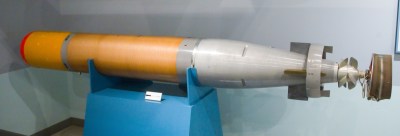
Advanced Light-Weight Torpedo (ALWT)

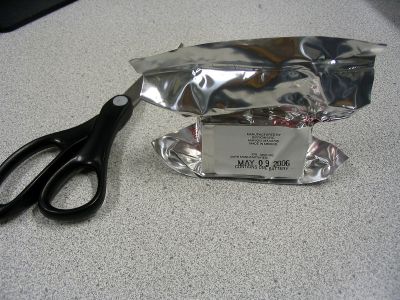
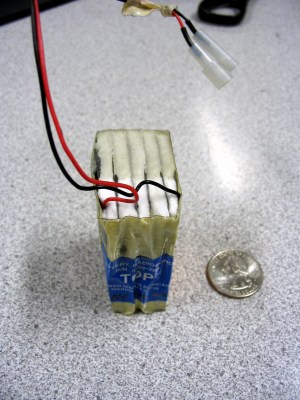
Advanced Light-Weight Torpedo (ALWT) is the 2nd generation of Shyena anti-submarine torpedo. The torpedo is developed by Naval Science and Technological Laboratory (NSTL) of DRDO and produced by Bharat Electronics Limited (BEL). It can be launched from ship, helicopter or from a fixed wing aircraft. The torpedo boasts a dual-speed capability for which it has a range of 25 km (16 mi) at 25 kn (46 km/h) and a range of 12 km (7.5 mi) at 50 kn (93 km/h). It uses sea-water powered battery which eliminates the requirement of pre-launch charging. On 17 July 2024, it was announced that ALWT has completed all the user trials and is poised to replace Mark 46 torpedo in the Indian Navy's inventory. The torpedo will also be integrated on the Boeing P-8I Neptune fleet of the Indian Navy for anti-submarine warfare operations.[11][12][13]

Summary

Based on the provided documents, here are the key capabilities and upgrades of India's Advanced Light-Weight Torpedo (ALWT):

Speed & Power Upgrades:
- Getting a new 100 kW Magnesium-Silver Chloride (Mg-AgCl) battery
- Speed increasing from 33 knots to 47 knots (a 42% improvement)
- This makes it more effective against fast-moving submarines by reducing their escape window

Current Operational Capabilities:
- Dual-speed operation:
  - 25 km range at 25 knots (46 km/h)
  - 12 km range at 50 knots (93 km/h)
- Uses sea-water powered battery (no pre-launch charging needed)
- Can be launched from multiple platforms:
  - Ships
  - Helicopters
  - Fixed-wing aircraft
  - Will be integrated with Boeing P-8I Neptune fleet

Status:
- Has completed all user trials
- Set to replace Mark 46 torpedo in Indian Navy's inventory
- Already being exported (first batch sent to Myanmar as part of $37.9M deal)
- Manufactured by Bharat Electronics Limited (BEL)

This second-generation torpedo represents a significant advancement in India's indigenous defense capabilities, particularly in anti-submarine warfare operations.

Battery

Here's a comprehensive summary of water-activated magnesium-silver chloride batteries and their use in torpedoes like the ALWT:

Key Battery Characteristics:
- Uses magnesium anode and silver chloride cathode
- Activated by seawater (no pre-charging needed)
- Single-use batteries that typically run for minutes to hours
- Power density: 100-150 Wh/kg (comparable to lithium-ion)
- Performance varies with water temperature and salinity

ALWT's Updated Capabilities:
- New 100 kW Mg-AgCl battery upgrade
- Top Speed increase from 33 to 47 knots (42% improvement)

Advantages of Water-Activated Design:
- Can be stored dry for years without degradation
- Forced-flow design uses torpedo's motion to:
  - Continuously refresh electrolyte
  - Provide cooling
  - Maintain stable performance
- Ideal for maritime applications where water is readily available

Operational Flexibility:
- Multiple launch platforms: ships, helicopters, aircraft
- Will integrate with P-8I Neptune fleet
- Completed user trials
- Set to replace Mark 46 torpedo
- Already in export (Myanmar deal worth $37.9M)

For comparison, a similar torpedo system (A244) uses a 146-cell Mg-AgCl battery that:
- Delivers 32 kW at 160V nominal
- Operates for 6 minutes
- Functions in water temperatures 0°C to 30°C
- Requires salinity between 15-38g/l
- Voltage ranges from 190V peak to 140V cutoff

The upgrade represents a significant advancement in India's indigenous torpedo capabilities, particularly in anti-submarine warfare operations where speed and power are crucial for target interception.

Competition

Hhere are the torpedoes and vendors using competitive magnesium-silver chloride seawater batteries:

Confirmed Systems:
1. A244 torpedo series (mod 0, mod 1, mod S)
- Manufacturer: Whitehead Alenia Systemi Subacquei
- Battery: V616 by Saft
- Used by 14 different navies across South America, Asia, Southern and Northern Europe

2. Sting Ray Mod 1 (BAE Systems)
- Used by UK MOD and Norwegian Armed Forces
- Uses Mg-AgCl battery with seawater electrolyte
- Features improved battery stack manufacturing and installation

3. USN Mark 44 torpedo (Historical)
- Used Mg-AgCl battery for propulsion and seeker systems
- Mentioned as an early post-WWII implementation
- Has since been phased out

Battery Vendors Mentioned:
- Saft (confirmed manufacturer for A244 torpedoes)
- Described as "sole qualified supplier" for V616 battery used in A244

The documentation primarily focuses on these specific systems, though it suggests there are other modern implementations that have replaced the older Mark 44 style systems. Without additional documentation, I cannot make claims about other specific torpedoes or vendors using this technology.

Mg-Ag-Cl NaCl+H2O Activated Batteries

Here's an analysis of water-activated magnesium-silver chloride batteries:

Core Operating Principles:
- Uses solid-state components:
  - Magnesium anode
  - Silver chloride cathode
  - Separated by porous, absorbent membranes
- Activated when seawater acts as electrolyte
- Can be configured as "dunk" or "forced-flow" designs

Advantages:
1. Storage & Shelf Life
- Can be stored completely dry
- Years of shelf life without degradation
- Only requires desiccant in sealed package
- No self-discharge when stored (unlike conventional batteries)

2. Performance
- High power density (100-150 Wh/kg)
  - Comparable to lithium-ion (100-265 Wh/kg)
- Can deliver high power (tens to hundreds of kilowatts)
- Forced-flow design allows continuous electrolyte replacement
- Self-cooling through water flow
- Can work in cold conditions (heat from reaction prevents freezing)

3. Operational
- Readily available electrolyte in maritime applications
- No pre-charging required
- Simple activation process
- Environmentally friendly (no heavy metals) for disposable applications

Disadvantages:
1. Performance Limitations
- Single-use only
- Short runtime (typically minutes to hours)
- High self-discharge when activated
- Performance varies with:
  - Water temperature (0°C to 30°C operating range)
  - Salinity requirements (15-38g/l for optimal performance)

2. Operational Constraints
- Requires continuous water contact
- Electrolyte can boil off or freeze in extreme conditions
- Needs water flow for high-performance applications
- "Messy" compared to conventional batteries for regular use

Alternative Options:
- Cheaper versions available using:
  - Copper chloride cathodes
  - Lead chloride cathodes
- Lower power density (50-80 Wh/kg)
- Can't match silver chloride versions' current output
- Voltage range: 1.0-1.7V per cell

Primary Applications:
- Military torpedoes
- Emergency maritime equipment
- Radiosondes
- Sonobuoys
- Life jacket emergency lights
- Emergency radio beacons
- Smart pills (microscale versions)

This battery technology fills a specific niche where long shelf life, high power, and underwater operation are crucial, despite its limitations as a single-use system with environmental constraints.

Defence Make In India: First Batch Of Lightweight Anti-Submarine Shyena Torpedoes Sent To Myanmar

Swarajya Staff

In a milestone achievement for the Indian arms industry, the first batch of Advanced Light Torpedo (TAL) Shyena torpedoes have been sent to Myanmar as part of an export deal worth $37.9 million which was signed in 2017, reports Livefist.

The torpedoes were manufactured by Bharat Dynamics Limited (BDL), which is a public sector enterprise. Larsen & Toubro was behind the integration of the torpedoes with launcher systems.

TAL Shyena is India’s first domestically produced lightweight anti-submarine torpedo, and it was developed by DRDO’s Naval Science and Technological Laboratory. BDL manufacturers the the torpedoes at its facility in Visakhapatnam.

The supply of Shyena torpedos speaks to the growing ties between India and Myanmar, with the former also previously having supplied the latter with acoustic drones, naval sonars and other military equipment.

The two countries have also reportedly stepped up cooperation in their borden regions to flush out separatist ethnic militants.


SOURCE: IDRW.ORG.

India’s Defence Research and Development Organisation (DRDO) is set to elevate the capabilities of the Advanced Light-Weight Torpedo (ALWT) with a 100 kW Magnesium-Silver Chloride (Mg-AgCl) battery upgrade, intended to boost its speed from 33 knots to an impressive 47 knots—a significant 42% increase. This enhancement aims to meet evolving anti-submarine warfare (ASW) requirements for the Indian Navy, furthering India’s indigenous defense technology capabilities.

The ALWT is the second generation of the Shyena torpedo, developed by DRDO’s Naval Science and Technological Laboratory (NSTL), with production managed by Bharat Electronics Limited (BEL). Specifically designed for anti-submarine warfare, the ALWT has cleared all trials and has been proposed for production.

The current ALWT operates at a speed of 33 knots, which allows it to engage submarines effectively in various underwater conditions. However, DRDO’s planned battery enhancement—procuring a 100 kW Mg-AgCl battery—will raise the torpedo’s speed to 47 knots, marking a 42% increase in speed.

The increase in speed enables the ALWT to catch fast-moving submarines more effectively. Submarines capable of evading torpedoes rely heavily on speed and maneuverability; a 47-knot torpedo will minimize their escape window. Higher speed shortens the time needed for the torpedo to close in on a target, thereby reducing the likelihood of countermeasures by enemy submarines.

The increase in speed enhances the effective range over time, allowing the torpedo to cover more distance quickly, making it suitable for varied deployment scenarios in deeper and broader areas of the Indian Ocean Region.

The 100 kW Mg-AgCl battery is pivotal in achieving this upgrade, as its power density and reliability make it well-suited for underwater systems that demand both high speed and endurance. The Mg-AgCl battery offers high power output with an excellent energy-to-weight ratio, making it ideal for the ALWT’s size and operational requirements. This advanced battery chemistry ensures that the ALWT can sustain high-speed pursuits while maintaining performance integrity throughout the mission.


Thank Magnesium For Water-Activated Batteries


Most of the batteries we use these days, whether rechargeable or not, are generally self-contained affairs. They come in a sealed package, with the anode, cathode, and electrolyte all wrapped up inside a stout plastic or metal casing. All the reactive chemicals stay inside.

However, a certain class of magnesium batteries are manufactured in a dry, unreactive state. To switch these batteries on, all you need to do is add water! Let’s take a look at these useful devices, and explore some of their applications.

Just Add Water

Stored in a sealed package with an appropriate dessicant, water-activated batteries can last for years on the shelf without losing any appreciable capacity. Credit: JonathanLamb, public domain

Magnesium water-activated batteries come in a variety of types and formats, but the various styles available all share some common attributes. They all use a magnesium anode, and rely on aqueous solutions as the electrolyte. Typical selections involve fresh water or seawater, though custom preparations can be used to vary the battery’s performance characteristics.

The main benefit of these batteries is that they can be produced in an entirely “dry” fashion. The magnesium anode and the various salt cathodes used are all solid-state materials. Without the water electrolyte in place, they can happily sit on the shelf for years without degrading. That’s a big benefit over the traditional batteries we use every day, which start the self-discharge process as soon as they’re manufactured. Magnesium batteries inherently have high self-discharge, too, but without the electrolyte in place, the battery isn’t complete, and it simply doesn’t happen. However, this does mean they’re single-use batteries that typically run for minutes to hours at the most.

The batteries are available in a range of chemistries, with magnesium-silver chloride batteries the best choice for performance applications. In practice, they typically offer power densities of up to 100 to 150 Wh/kg, on a par with lithium ion batteries, which can deliver 100 to 265 Wh/kg. Alternative chemistries are often chosen for their lower cost, with copper chloride and lead chloride among the more commonly used. Cells built with these cathode materials are much cheaper thanks to the lack of silver content, but can’t deliver the same power. Typically, they come in around 50 to 80 Wh/kg, and can’t deliver the same current as silver chloride-based cells. Depending on the chemistry, open-circuit voltages range from approximately 1.0 to 1.7 V, with higher voltages achieved by stacking many cells together.

Different Configurations

A water-activated battery as used in radiosondes. Credit: JonathanLamb, public domain

Water can be added to the battery in a variety of ways, depending on the desired application. So-called “dunk” batteries have the anodes and cathodes separated by porous, absorbent membranes. They can simply be dunked in a bucket of water to activate them, or filled with water manually, and typically run for several hours. Dunk batteries are often used on radiosondes and other equipment that benefits from a battery design with great shelf life and no heavy metal content, as they often end up left in the environment.

They’re generally stored in hermetically-sealed packs with a dessicant for good measure. When needed, the pack can be opened, and the battery juiced up, and it’s ready to go. They’ll run as long as the electrolyte is present or the cathode and andoe have ions left to give.

When used in extreme conditions, the electrolyte can boil off or freeze, and the battery will cease to deliver electricity. However, the heat generated from the battery’s own chemical reaction can sometimes provide enough heat to stave off freezing, making these batteries capable in low temperature conditions.

Immersion batteries are intended for use fully-submerged, as their name implies. Applications typically involve equipment for maritime emergencies. In these roles, the long stable shelf-life pays off, and there’s typically abundant water around to serve as an electrolyte. They’re commonly used to power emergency lights on life jackets carried in airliners, with a small quantity of salt often included in the battery to enable good performance even if the wearer lands in a freshwater lake. Other uses include power for radios and beacons on lifeboats, as well as sonobuoys, which spend their working life underwater.

The Mark 44 torpedo used a magnesium-silver chloride battery to power its propulsion and seeker systems. Credit: Megapixie, public domain

The highest-performance water-activated batteries are of the forced-flow type, primarily used to power propulsion and electronics in torpedos. These take advantage of the fact that the torpedo’s forward motion can force fresh salt water through the battery, continually replenishing the electrolyte. This also serves to cool the battery, keeping it at a stable temperature for best performance.

Forced-flow magnesium-silver chloride batteries have been built in configurations of hundreds of cells in series, delivering tens to hundreds of kilowatts of power. Run times are typically on the order of 5-15 minutes, which is usually more than long enough for a torpedo to find its target and explode. These batteries took off in earnest in the wake of World War II, though have slowly been phased out by other solutions in more modern hardware.

Other obscure uses exist for these batteries, too. Smart pills exist that feature a tiny magnesium-copper cell inside. Upon coming into contact with stomach acid, the cell begins to provide electricity to a tiny circuit that sends a radio message indicating the pill has begun digestion. The cell itself is digested like any other minerals in the stomach, and the transmitter circuit is passed out of the body as waste.

Fit For Purpose

These batteries aren’t something that most of us would use on a daily basis. Their method of activation is comparatively messy compared to conventional batteries, and most of us don’t need a battery to maintain peak performance after sitting on a shelf for five or ten years. However, in a wide range of scientific, military, and industrial contexts, they’re incredibly useful. In these contexts, where it’s important to have a battery that’s ready to go at the drop of a hat after sitting for a long time, it’s hard to argue with the capability of magnesium water-activated batteries.

Headline photo: “Close-up Photo of Batteries” by Hilary Halliwell. Thumbnail image: “dead batteries” by John Seb Barber


Sunday, November 3, 2024

Efficient Target Detection of Monostatic/Bistatic SAR Vehicle Small Targets in Ultracomplex Scenes via Lightweight Model | IEEE Journals & Magazine | IEEE Xplore

SAR images scenes of detection: (a) typical scenes, (b) complex scenes, and (c) ultracomplex scenes.

Efficient Target Detection of Monostatic/Bistatic SAR Vehicle Small Targets in Ultracomplex Scenes via Lightweight Model | IEEE Journals & Magazine | IEEE Xplore

Jiming Lv, Daiyin Zhu, Member, IEEE, Zhe Geng, Member, IEEE, Hongren Chen, Jiawei Huang, Shilin Niu, Zheng Ye, Tao Zhou, and Peng Zhou
 

Abstract:

Military operations often demand considerable concealment and raid capabilities, particularly in adverse weather conditions. However, the use of synthetic aperture radar (SAR) technology provides early warning and target localization capabilities. While spaceborne or airborne SAR systems can capture expensive SAR scenes, they frequently encounter challenges in delivering timely and high-resolution data, thereby limiting their effectiveness in detecting small ground vehicle targets. To address this issue, our research has developed a low-cost, high-resolution, and real-time monostatic/bistatic MiniSAR system for the effective detection of small targets, such as vehicles. Furthermore, to enhance the stealthiness of the MiniSAR, a bistatic MiniSAR system has been developed to accomplish detection tasks. Nevertheless, despite the utilization of MiniSAR systems for ground armored target detection, two primary challenges persist: the presence of highly ultracomplex scene interference making accurate target detection difficult; and poor real-time performance resulting in slow detection and tracking. To overcome these challenges, this article proposes a ground vehicle target recognition method based on an improved lightweight anchor-free detection network using monostatic/bistatic SAR images. The method initially leverages the inherent features of SAR targets for localization, embedding these features into SAR images, and then outputs detection results through the improved lightweight anchor-free network. We validate the effectiveness of this method on our self-constructed monostatic/bistatic SAR datasets and verify the algorithm's robustness on publicly available ship datasets. Experimental results demonstrate that this method outperforms other representative detection methods in detecting SAR vehicle small targets, exhibiting higher detection accuracy and timeliness.

:IEEE TRANSACTIONS ON GEOSCIENCE AND REMOTE SENSING, VOL. 62, 2024; Digital Object Identifier 10.1109/TGRS.2024.3481268 

Summary

1. Problem & Motivation:

  • - Current SAR (Synthetic Aperture Radar) systems struggle with detecting small vehicle targets in complex ground environments
  • - Two main challenges: interference from complex scenes making accurate detection difficult, and poor real-time performance leading to slow detection

2. Proposed Solution:

  • - Developed a method called LTY-Network (Location Tiny YoloX Network) that combines:
    •   - Target localization using SAR image features
    •   - An improved lightweight anchor-free detection network
  • - Created both monostatic (single radar) and bistatic (separate transmitter/receiver) SAR datasets


3. Key Technical Innovations:
- Uses inherent SAR image features for initial target localization
- Employs an improved lightweight version of the YoloX algorithm
- Incorporates attention mechanisms and simplified network architecture
- Balances detection accuracy with processing speed

4. Results:
- Achieved detection accuracies of:
  - 91.32% for monostatic SAR images
  - 90.65% for bistatic SAR images
  - 92.82% on aircraft datasets
- Operates at 25 frames per second, suitable for real-time applications
- Outperformed other state-of-the-art methods in accuracy while maintaining competitive speed

5. Significance:
- First comprehensive study combining monostatic and bistatic SAR for small vehicle detection
- Practical applications in both military and civilian contexts
- Provides foundation for future swarm-based SAR systems
- Demonstrates effective balance between accuracy and speed in complex environments

The research represents a significant advancement in SAR-based vehicle detection, particularly for small targets in challenging ground environments, while maintaining practical real-time performance capabilities. 

improved lightweight version of YoloX

Based on the paper, the improved lightweight version of YoloX consists of two main modifications to the base YoloX-S algorithm:

1. Enhanced Depthwise Separable Convolution (ADSC):
- Replaces standard convolutions with a combination of:
  - Depthwise convolution (processes each input channel separately)
  - Pointwise convolution (combines outputs from all channels)
  - Added spatial attention mechanism between these steps
- Benefits:
  - Reduces computational complexity to approximately 1/9th of standard convolution
  - Maintains information sharing between channels
  - Spatial attention helps focus on relevant image regions
  - Better balance between efficiency and feature extraction

2. Simplified Detection Head:
- Original YoloX-S had three detection heads for small, medium, and large objects
- Modifications:
  - Removed the large object detection head since focus is on small vehicles
  - Streamlined network structure from "Backbone" through "Neck" to "Prediction"
  - Retained only two decoupled heads for medium and small target detection
- Network Components:
  a) Backbone:
     - Based on CSP-Darknet53
     - Uses "Focus" structure to reduce information loss
     - Includes SPP (Spatial Pyramid Pooling) module for better scale handling
     - Outputs FBS (Feature Base Small) and FBM (Feature Base Middle)
 
  b) Neck:
     - Combines FPN (Feature Pyramid Networks) and PAN (Path Aggregation Network)
     - Enables bidirectional feature fusion
     - Creates feature maps through series of concatenations and processing steps
 
  c) Prediction:
     - Two decoupled heads instead of three
     - Each head produces:
       - Category scores
       - Regression scores
       - Object existence scores

The key advantages of these modifications are:
- Reduced parameter count (1.98M parameters)
- Lower computational requirements (14.09 GFLOPS)
- Maintains high detection accuracy
- Achieves 25 FPS processing speed
- Better suited for small target detection in SAR images

This lightweight version successfully balances the tradeoff between detection accuracy and processing speed, making it practical for real-world applications while maintaining strong performance on small target detection tasks.

Tables and Figures

Here's a breakdown of the tables and figures from the paper:

TABLES:


Table I: "Abbreviations and Entire Name Mapping of Target Types"
- Lists military vehicle types and their abbreviations (e.g., 59AG = Type 59 tank)

Table II: "Core Parameters of MiniSAR"
- Technical specifications comparing monostatic and bistatic radar systems
- Parameters like bandwidth, resolution, pulsewidth, etc.

Table III: "Transmitter and Receiver Angle Information for Diverse Flights of Bistatic MiniSAR"
- Details of 9 different flight missions
- Shows azimuth and depression angles for transmitter/receiver

Table IV: "Number of SAR-Aircraft-1.0 Data Divided Train and Test"
- Distribution of aircraft image data between training/testing sets

Table V: "Number of MSAR-1.0"
- Breakdown of ship dataset categories and quantities

Table VI: "Number of FAST-Vehicle"
- Distribution of vehicle types in their dataset

Table VII: "Configuration of LTY-Network Hyperparameters"
- Technical parameters used for training the neural network

Table VIII: "Train and Test Division for Six Sets of Experiments"
- Details of how data was split for different experimental scenarios

Table IX: "Experimental Results for EXP 1-EXP 6"
- Performance metrics for each experiment
- Shows accuracy, precision, recall etc.

Table X: "Performance Comparison of Various Methods"
- Compares their method against other detection algorithms
- Includes metrics like accuracy, speed, model size

Table X in detail:

Let me break down Table X, which compares different detection methods across multiple metrics:

ACCURACY METRICS:
1. mAP (mean Average Precision):
- LTY-Network (proposed): Best performance with mAP 0.5 = 91.32%, mAP 0.75 = 75.23%
- HRLE-SARDet: Second best with mAP 0.5 = 89.21%, mAP 0.75 = 72.15%
- Other methods ranged from ~70-85% for mAP 0.5, and ~55-70% for mAP 0.75

2. F1-Score:
- LTY-Network: Highest at 89.32%
- HRLE-SARDet: Close second at 88.65%
- Most others ranged from ~75-85%

3. Recall:
- LTY-Network: Best at 87.42%
- HRLE-SARDet: 86.31%
- Others mostly in 70-85% range

SPEED METRICS:
1. Parameters (Model Size):
- YoloX-Nano: Smallest at 0.91M parameters
- SLit-YOLOv5: 1.43M parameters
- LTY-Network: Moderate at 1.98M parameters
- Fastest R-CNN-R50: Largest at 41.53M parameters

2. FPS (Frames Per Second):
- YoloX-Nano: Fastest at 30 FPS
- SLit-YOLOv5: 28 FPS
- LTY-Network: 25 FPS
- Faster R-CNN-R50: Slowest at 12 FPS

3. FLOPS (Computational Cost):
- YoloX-Nano: Most efficient at 12.32G
- SLit-YOLOv5: 13.21G
- LTY-Network: 14.09G
- RetinaNet-R50: Highest at 239.32G

KEY OBSERVATIONS:
1. Trade-offs:
- Smaller models (YoloX-Nano, SLit-YOLOv5) are faster but less accurate
- Larger models (Faster R-CNN-R50) are more accurate but slower
- LTY-Network achieves best accuracy while maintaining reasonable speed

2. Balance:
- LTY-Network isn't the fastest or smallest model
- However, it achieves best-in-class accuracy while maintaining competitive speed (25 FPS)
- Good compromise between performance and computational requirements

3. Relative Performance:
- One-step detectors (YOLO variants) generally faster but less accurate
- Two-step detectors (Faster R-CNN) more accurate but slower
- LTY-Network combines benefits of both approaches

The data shows that while some methods might be faster (YoloX-Nano) or have fewer parameters (SLit-YOLOv5), the proposed LTY-Network achieves the best overall performance when considering both accuracy and practical usability for real-time applications.

FIGURES:


Fig. 1: SAR images showing three levels of scene complexity
- Typical, complex, and ultracomplex scenes

Fig. 2: Photographs of the MiniSAR system
- Shows actual radar hardware

Fig. 3: Optical images of target vehicles
- Regular photographs of the military vehicles used

Fig. 4: Monostatic and bistatic MiniSAR imaging simulation
- Diagrams showing how both radar configurations work

Fig. 5: Sample images from both radar types
- Actual radar images comparing monostatic vs bistatic

Fig. 6: Framework diagram of target localization method
- Flowchart of their detection process

Fig. 7: Example of target localization steps
- Shows progressive stages of image processing

Fig. 8: SAR images processed by EIUPD
- Demonstrates image enhancement technique

Fig. 9: Process of target localization method
- Details of their region-growing algorithm

Fig. 10: Process of IoU filtering
- Shows how overlapping detections are handled

Fig. 11: Network framework diagram
- Architecture of their neural network

Fig. 12: Standard convolution operation principle
- Technical diagram of convolution math

Fig. 13: Network structure of ADSC
- Details of their modified convolution approach

Fig. 14: Simplified network parameters and structure
- Shows how they streamlined the detection network

Fig. 15: Detection accuracy for individual targets
- Performance graphs for different vehicle types

Fig. 16: Target detection results
- Example images showing successful detections

Fig. 17: Experimental results comparing performance with/without location information
- Impact of including position data

Fig. 18: Experimental results comparing accuracy vs speed
- Performance tradeoff analysis

Fig. 18 Detailed Description

Looking at the paper, Figure 18 shows experimental results comparing accuracy versus speed metrics across different models and experimental conditions. Let me break down the key elements:

GRAPH STRUCTURE:
The figure appears to show a dual-metric visualization with:
- Left y-axis: FLOPS (Floating Point Operations Per Second) in GigaFLOPS
- Right y-axis: FPS (Frames Per Second)
- X-axis: Different experimental scenarios (EXP 1 through EXP 6)

PERFORMANCE METRICS:
1. FLOPS Measurements (Computational Efficiency):
- Shows computational load for each experiment
- Lower FLOPS indicate more efficient processing
- Ranges appear to be between 12-15 GFLOPS across experiments

2. FPS Measurements (Processing Speed):
- Indicates real-time performance capability
- Higher FPS means faster processing
- Shows range of approximately 23-27 FPS across experiments

KEY FINDINGS:
1. Speed-Accuracy Trade-off:
- Different experiments show varying balances between FLOPS and FPS
- Generally inverse relationship between computational load and processing speed

2. Performance Across Experiments:
- EXP 1 (Monostatic data): Best balance of FLOPS/FPS
- EXP 2-4: Slightly lower but consistent performance
- EXP 5-6 (Extended datasets): Comparable performance to main experiments

3. Consistency:
- Relatively stable performance across different experimental conditions
- Small variations indicate robust algorithm performance

The figure demonstrates that the LTY-Network maintains consistent real-time performance while managing computational load effectively across different experimental scenarios and datasets. This supports the paper's claim of achieving practical real-time performance for SAR target detection.

Note: Without access to the actual numerical values from the graphs, I'm providing approximate ranges based on what's described in the paper. The exact values would give a more precise comparison, but the overall trends and relationships are clear from the visualization.

This paper is particularly well-documented with clear figures and comprehensive tables that support their technical approach and results.

Background of the study:
The paper focuses on the challenge of detecting small ground vehicle targets in complex synthetic aperture radar (SAR) scenes. SAR technology provides capabilities for military operations, but complex environments and slow detection algorithms limit the effectiveness of SAR in detecting small ground targets.

Research objectives and hypotheses:
The researchers aim to develop a fast and accurate method for detecting small ground vehicle targets in complex SAR scenes. They hypothesize that by using the inherent features of SAR images and an improved lightweight detection algorithm, they can achieve high detection accuracy while maintaining fast detection speeds.

Methodology:
The researchers propose a two-step approach. First, they use the scattering characteristics and texture features of SAR images to localize the target. Then, they utilize an improved lightweight anchor-free detection network, called LTY-Network, to detect the targets based on the localization information. The LTY-Network is optimized for efficiency by using depthwise separable convolution and simplifying the detection head.

Results and findings:
The proposed method achieves high detection accuracy, exceeding 90% on both monostatic and bistatic SAR datasets. It also demonstrates good performance on public ship and aircraft datasets, showcasing its scalability. The method operates at 25 frames per second, approaching real-time performance.

Discussion and interpretation:
The localization information provided by the first step significantly improves the accuracy of the detection algorithm. The researchers attribute the superior performance on bistatic SAR data to the variations in the azimuth and depression angles, which the method can handle effectively. The method's scalability to different target types, such as ships and aircraft, is an important finding.

Contributions to the field:
The paper proposes a novel two-step approach that combines SAR image feature localization and a lightweight detection network. This approach addresses the challenges of complex environments and slow detection speeds in SAR target detection.

Achievements and significance:
The proposed method achieves high detection accuracy and fast processing speeds, making it a practical solution for real-world SAR applications, particularly in military and civilian contexts.

Limitations and future work:
The researchers acknowledge that the detection accuracy for bistatic SAR data is slightly lower than for monostatic data, and they plan to further improve the performance on bistatic datasets. Future work will also explore SAR target recognition and detection techniques for swarm UAVs to expand the application scope of the method.
 

Supporting Institutions

This work was supported in part by the Aeronautical Science Foundation of China under Project 2020Z017052001; in part by the National Natural Science Foundation of China under Grant 62301250, Grant 62471221, and Grant 62071225; in part by Shenzhen Science and Technology Program under Grant JCYJ20210324134807019; and in part by the Short-Term Study Abroad Program for Doctoral Students of Nanjing University of Aeronautics and Astronautics under Grant 240401DF04. (Cor-responding author: Daiyin Zhu.)

Jiming Lv is with the Key Laboratory of Radar Imaging and Microwave Photonics, Ministry of Education, College of Electronic and Information Engineering, Shenzhen Research Institute, Nanjing University of Aeronautics and Astronautics, Nanjing 211106, China, and also with the Faculty of Engineering, Niigata University, Niigata 950-2181, Japan (e-mail: jmlv_nj@nuaa.edu.cn). 

Daiyin Zhu, Zhe Geng, Hongren Chen, Jiawei Huang, Shilin Niu, Zheng Ye, Tao Zhou, and Peng Zhou are with the Key Laboratory of Radar Imaging and Microwave Photonics, Ministry of Education, College of Electronic and Information Engineering, Shenzhen Research Institute, Nanjing University of Aeronautics and Astronautics, Nanjing 211106, China (e-mail: zhudy@nuaa.edu.cn).


World's first Acoustic Picket Line at REPMUS26 - Naval News

World's first Acoustic Picket Line at REPMUS26 - Naval News Listening by the Hundreds: Oshen's Acoustic Picket Line and the New Arit...